This story originally appeared in Sportsnet magazine. Subscribe here.
Is the condensed 48-game season the reason tempers are running short and fighting is on the rise in the NHL? Pent-up lockout rage might be a big part of it, but the schedule is certainly one reason the gloves have been dropping faster than Gary Bettman’s popularity rating. “I think there is a little more emotion after what we’ve all been through,” says Carolina Hurricanes GM Jim Rutherford. “On top of that, every game is so important.”
Indeed. With competition limited to intra-conference play, there are no shifts off, never mind any throwaway games. “You simply can’t afford a tailspin,” says Rutherford. “That’s what every team lives in fear of. It’s the same as it was back in 1995 when we came out of the lockout, there was way more intensity.” The result: spontaneous combustion. “Every game is a rivalry game, and you see teams more often than you normally would,” continues Rutherford. “We had a six-game road trip to start the season and played Philadelphia twice.” This year, the past is very much recent history, which also helps ratchet up the hate factor.
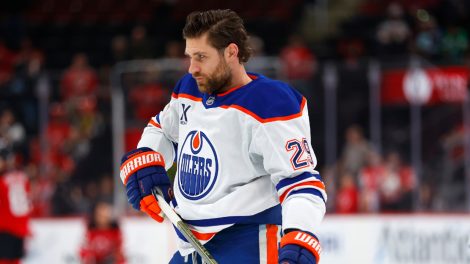
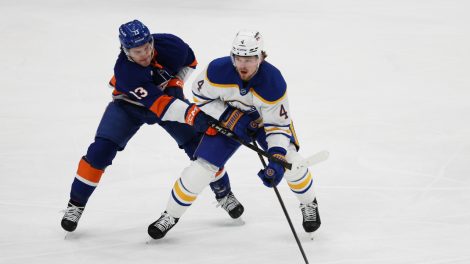
What is a little different, however, is that it’s not just the so-called heavyweights heading into battle. We’re seeing the rough stuff trickle through the roster. “Even the star players are fighting,” says Rutherford. Joe Thornton, Mike Richards, Corey Perry, Vincent Lecavalier, none are shrinking violets, but neither are they known for their bruised knuckles. Yet, all had multiple fights through the season’s first 20 games. And a lot of middle-minute players were scrapping as well. In fact, through February there were nearly 10 percent more fights per game than last season, with more than 40 percent of contests featuring fisticuffs. And four teams—the Maple Leafs, Blue Jackets, Flyers and Canucks—were dropping the gloves at a rate higher than the 2011–12-leading New York Rangers.
Of course, not everyone is thrilled with the news that fighting is on the uptick. Many wonder how a league so concerned with reducing hits to the head can allow players to wind up and punch each other in the face. And there is a certain hypocrisy to it, though the typical explanation is that it generally involves two willing combatants who understand the risks. But don’t forget, the NHL is in the entertainment business, and for a large swath of its fan base, fighting sells or, at least, doesn’t result in the turning of the channel.
And many coaches still view fighting as a strategy, a momentum changer, a release valve. Plus, some managers and coaches believe, it’s important for policing the game. Young players and smaller skilled guys play bigger when they know they have bodyguards. “We’re a team that didn’t employ a quote-unquote fighter,” says Rutherford. “But we picked up Kevin Westgarth. For me, protection is the main thing. Take our two games against Toronto. Kevin fought in the first five minutes of both and we won those games. That had to mean something.”
So with every point mattering so much, with intra-conference games raising the intensity and several teams flat-out trying to be tougher to play against, tempers are going to flare and fights are going to break out. And you can bet the NHL is pretty darn happy about it.